

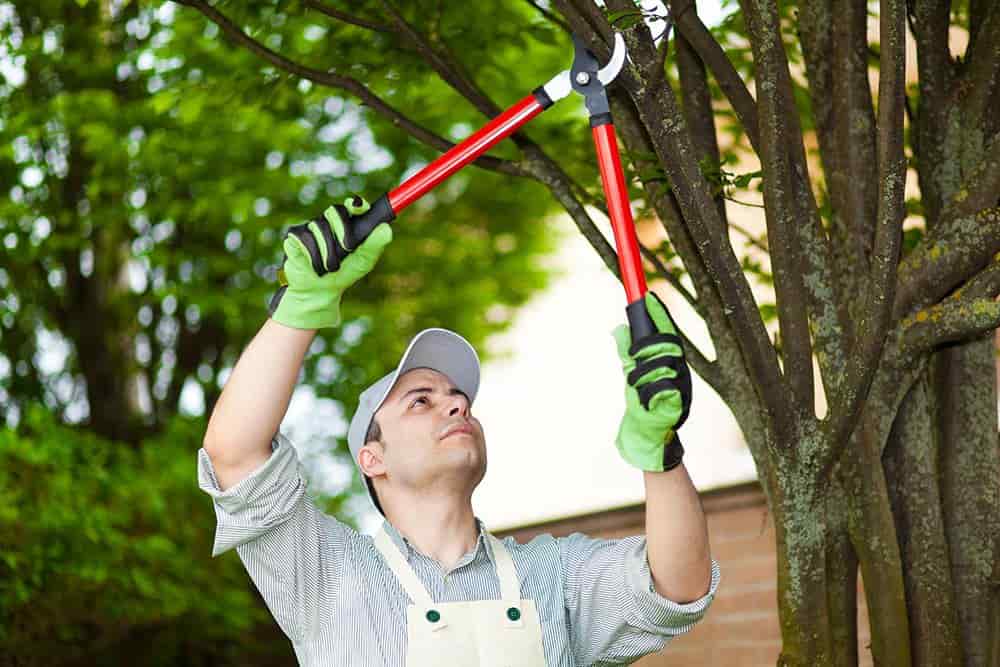
Hey there! Let me tell you something about trees in public spaces.
They’re awesome, right? Shade on hot days, pretty colors in fall, places for birds to hang out.
But trees need attention too, especially when they’re around places where kids play or people walk every day.
One falling branch could ruin someone’s day real quick.
That’s why I’m gonna walk you through some smart ways to keep those community trees healthy and safe for everyone.
No fancy tree talk, just straight-up practical stuff that works.
Tree Pruning In Community Spaces: 10 Tips To Prevent Risk in Playgrounds and Walking Paths
Trees and people need to get along, especially in busy areas like parks and walking trails.
Good pruning isn’t just about making trees look nice. It’s about making sure nobody gets bonked on the head by a dead branch while they’re trying to enjoy the outdoor space.
In areas like Queensland where weather extremes are part of the reality, timely and responsible Tree Removal in Gold Coast, Queensland may be necessary to prevent injury or infrastructure damage
But before you grab a saw, let’s talk about how to do this right.
Assess Tree Health Regularly
Trees talk to us if we know what to look for. You gotta check them out at least twice a year.
Trees show signs of trouble before they become dangerous.
Catching problems early means smaller fixes and happier trees.
Walk around each tree and look up. See any dead branches? Weird spots on leaves? Mushrooms growing at the base? These are red flags. Take pictures to track changes over time.
Make a simple tree map of your community space and give each tree a number.
Then keep notes about each one. This makes it super easy to track which trees need what kind of help.
Spring and fall are perfect times for these check-ups since you can see the tree with and without leaves.
Focus on High-Traffic Zones First
Not all areas need the same level of attention.
The busier the spot, the more you need to stay on top of tree care.
People-heavy areas have higher risk if something goes wrong. Playground trees deserve special attention because kids are, well, kids.
They climb, they play underneath, they don’t look up much.
Make a list of your community’s busiest spots.
Playground safety, main walking paths, picnic areas, and entrances should top your list.
Check these trees first and most often.
Put a little extra budget aside for these high-priority trees.
Money spent here gives you the biggest safety bang for your buck.
And remember, some community members might need these spaces more than others, like older folks who use the same bench every day.
Remove Dead or Dying Branches Promptly
Don’t wait for dead stuff to fall on its own.
That’s like waiting for a tooth to fall out instead of going to the dentist.
Dead branches are unpredictable. They can come down in even light wind or when a kid throws a ball.
They’re basically just waiting for the wrong moment to cause trouble.
Use the three-cut method (just like Kenny explained in that video) for any branch bigger than your wrist.
First cut underneath about a third through, then cut from above a bit further out so it falls clean, then make your final cut at the branch collar without leaving a stub.
Dead branches might look obvious in summer, but they’re tricky to spot in winter on deciduous trees. Give branches a gentle shake when possible.
If they snap easy or bark flakes off in your hand, that’s your sign to remove them.
Maintain Clear Height Clearance
Tree limbs should know their place, and that place isn’t where people walk or drive.
Low branches force people to duck or walk off the path.
This causes new problems like trampled plants and twisted ankles.
Plus, nobody likes getting whacked in the face by a branch they didn’t see.
Let me explain how to do it: For walking paths, prune branches to maintain at least 8 feet of clearance.
For areas where maintenance vehicles might drive, you’ll need 12-14 feet.
Always cut back to a lateral branch or the trunk, never leave stubs.
When pruning young trees, don’t remove too many lower branches at once.
Take your time over several years.
This keeps the tree stable and healthy while gradually creating that needed clearance.
Avoid Over-Pruning
More cutting isn’t better cutting. Trees aren’t haircuts.
How this concept works: Trees need their leaves to make food.
When you take too many branches, you’re basically putting the tree on a starvation diet.
Stressed trees are weak trees, and weak trees become hazardous trees.
Never remove more than 25% of a tree’s canopy in one go.
Focus on dead, diseased, or dangerous branches first.
If that already gets you to 25%, stop and wait until next year for the rest.
“Lion’s tailing” happens when people remove too many inner branches, leaving tufts of leaves just at the ends.
This looks weird and makes branches more likely to snap in disasters.
Keep the tree’s natural shape whenever possible.
Prune During the Right Season
Timing matters big time with tree pruning.
Cut at the wrong time and you might hurt more than help.
Trees have active and dormant periods.
Cutting during dormancy (usually winter) means less stress on the tree and lower risk of disease entering through cuts.
The how-to: For most trees, late winter is pruning prime time.
The tree is dormant but about to start growing, so healing happens fastest.
Avoid pruning in early spring when trees are putting out new growth, and in fall when fungi are spreading spores everywhere.
Some trees have special timing needs. Oak trees, for example, should only be pruned in winter to prevent oak wilt disease.
Flowering trees should be pruned right after they finish blooming. When in doubt, ask someone who knows that specific tree type.
Watch for Low-Hanging or Hazardous Limbs
Some branches are trouble waiting to happen, and they’re not always dead ones.
Certain branch formations spell future disaster.
V-shaped crotches, crossing branches, and branches growing toward buildings or power lines need attention before they become problems.
Look for branches that hang low after rain or snow.
These branches might be weak or overloaded. Check for cracks where branches meet the trunk.
Remove branches that cross and rub against each other, as these create wounds where disease gets in.
When planting new hydrangea trees, choose species with strong branching patterns.
Some trees naturally form better branch structures than others.
This saves tons of pruning headaches down the road.
Prevent Obstruction of Signs and Lighting
Trees shouldn’t play hide and seek with important stuff people need to see.
Blocked signs can lead to accidents or people getting lost.
Covered lights create dark spots that feel unsafe and actually are less safe for walking at night.
Create a clearance zone of at least 3 feet around signs, lights, and security cameras.
Prune from the sign’s perspective, not just from where you’re standing.
What looks clear from below might still block the view from certain angles.
Night walks are super helpful. Bring a flashlight and walk through community spaces after dark (with proper permission).
You’ll spot lighting issues that aren’t obvious during daylight hours.
Take notes and photos to guide your pruning plan.
Involve Certified Professionals When Needed
Know when you’re in over your head. Some trees need expert help.
Certified arborists have training, equipment, and insurance that volunteer groups or maintenance staff might not have.
They know how to handle tricky situations safely.
Any pruning that requires climbing, chainsaw work, or removing large limbs over structures should be left to professionals.
Also call them for valuable or historic trees, or when you spot signs of disease you can’t identify.
Many communities think hiring pros is too expensive, but consider the cost of accidents or losing mature trees.
Get multiple quotes, and see if several small jobs can be bundled into one visit.
Some arborists offer community discounts or can train your maintenance staff on basic care.
Educate the Community and Encourage Reporting
More eyes mean fewer surprises when it comes to tree problems.
People who use parks and trails notice changes in trees all the time, but they might not know what to look for or who to tell.
Simple education turns regular folks into your early warning system.
Create simple signs or social media posts about what tree problems look like.
Set up an easy reporting system, maybe a specific email address or form on your community website.
Thank people who report issues.
Hold a tree walk once or twice a year. Invite community members to join a knowledgeable person (doesn’t have to be an expert) to walk around and learn about the trees in their shared spaces.
People protect what they care about, and they care about what they know.
Conclusion
Trees and people can totally get along in shared spaces.
With regular check-ups and smart pruning, your community trees will provide shade, beauty, and habitat without causing headaches or hazards.
The key is staying ahead of problems instead of reacting to them.
Remember, the best time to care for a tree was 20 years ago.
The second best time is now.
Your future community members will thank you for the safe, beautiful spaces you’re maintaining today.