
Stainless steel is one of those materials that doesn’t get enough credit in architecture. Sure, everyone knows it’s shiny and doesn’t rust easily, but there’s so much more to it.
I’ve been working with architectural materials for years, and I can tell you this – once you understand stainless steel, you’ll spot it everywhere and appreciate why architects and designers absolutely love it.
From sleek modern buildings to quirky art installations, this stuff is the unsung hero of so many amazing structures around us.
10 Strength and Flexibility of Stainless Steel in Architectural Features
Stainless steel in architecture is kind of like that reliable friend who’s good at everything. It’s strong, doesn’t give up when the weather gets rough, and can be dressed up or down depending on what you need.
I’ve watched this material transform from something people only used in kitchens and bathrooms to a star player in some of the most iconic buildings in the world.
And trust me, this isn’t just about looking pretty – though it certainly can do that too. The real magic happens when you see how it solves problems that would stump other materials.
Understand the Grades of Stainless Steel
Not all stainless steel is created equal. Think of grades like different personalities – each one has its own strengths. I remember visiting this coastal museum where they used 316 grade for all the outdoor elements because it stands up to salt spray like a champ. Meanwhile, inside they went with 304 grade which is perfect for normal indoor conditions and costs a bit less.
The most common grades you’ll run into are 304 and 316. The 304 is your everyday workhorse – great for most applications where it’s not facing extreme conditions. The 316 has more nickel and adds molybdenum, making it the tough guy who can handle coastal environments and industrial pollution.
There are also ferritic grades like 430 that have less nickel and are more affordable, but they won’t be as corrosion resistant. For super specialized cases, you might need duplex grades that combine the best properties of different types.
Picking the right grade is like choosing the right shoes for a hike – get it wrong and you’ll regret it halfway through the journey.
Utilize Stainless Steel’s High Strength-to-Weight Ratio
This is where stainless steel really shines. It’s incredibly strong for how light it is. I visited this amazing bridge in Singapore where they used sheets of stainless steel for structural components, cutting down the total weight by almost 30% compared to carbon steel alternatives. The engineers were practically giddy explaining how this let them create longer spans with fewer supports.
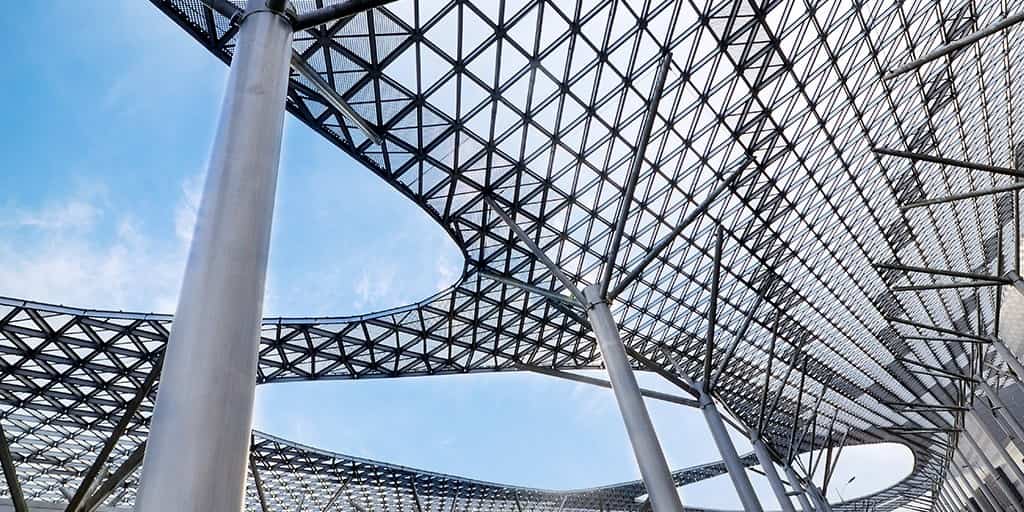
The strength-to-weight ratio means you can build bigger, bolder, and with less material. It’s why those super-tall skyscrapers can have such slender profiles. The steel takes all that wind load and building weight while keeping the structure relatively light.
And here’s something cool – when temperatures drop, stainless steel actually gets stronger instead of more brittle like some materials. That’s why you see it in so many structures in places with extreme weather.
For architects trying to push boundaries and create dramatic cantilevers or sweeping curves, this strength-to-weight ratio is basically their best friend.
Design for Flexibility in Form
Stainless steel can be bent, rolled, folded, and twisted into almost any shape you can dream up. I watched fabricators turning flat panels into these incredible undulating forms for a concert hall ceiling, and it was like seeing metal turn into fabric.
The flexibility comes from how it can be worked at different temperatures. When heated, it gets super malleable. Even at room temperature, it can be formed into all sorts of curves and angles without cracking.
This is why you see those amazing fluid-looking sculptures and building facades. The Walt Disney Concert Hall in Los Angeles is a perfect example – those sweeping metallic forms that look like they’re flowing in the wind are only possible because of stainless steel’s flexibility.
For smaller projects, this means you can create custom railings, trim pieces, or decorative elements that perfectly match your vision without being limited to straight lines and right angles.
Combine with Other Materials
Stainless steel plays really nice with other materials, which makes it perfect for creative combinations. I love seeing it paired with warm wood, where the contrast between natural and industrial creates this beautiful tension.
Glass and stainless make perfect partners – the steel provides the strength while letting the glass do its transparent thing. Those all-glass facades on modern buildings? They’re usually held up by stainless steel spider fittings or curtain wall systems.
Concrete and stainless steel complement each other amazingly well. The rough, matte texture of concrete against the smooth, reflective surface of steel creates visual interest that designers love.
You can even pair it with other metals like copper or bronze for some really interesting weathering contrasts over time. The stainless stays relatively unchanged while the other metals develop their patinas.
Just remember that when joining different metals, you need to be aware of galvanic corrosion – basically when metals have a chemical reaction with each other. Using proper isolation techniques keeps everything happy together.
Leverage Durability in Outdoor and Harsh Environments
Stainless steel is basically the superhero of architectural materials when it comes to standing up to tough conditions. I’ve seen 30-year-old stainless steel installations near the ocean that look almost brand new with just basic cleaning.
It doesn’t just resist corrosion – it actually heals itself. The chromium in the steel forms this invisible layer that continuously renews when exposed to oxygen. It’s like having a building material with its own immune system.
In urban environments with pollution and acid rain, stainless steel keeps on going when other materials would deteriorate. That’s why you see it used for important landmarks that need to last for generations.
Extreme temperatures? No problem. From desert heat to arctic cold, stainless maintains its structural integrity and appearance. I visited a research station in a particularly nasty climate where they chose stainless specifically because nothing else could handle the conditions.
This durability means lower lifetime costs even though the initial investment might be higher than some alternatives. When you don’t have to replace or extensively maintain components every few years, the math starts looking really good.
Choose Finishes That Add Function and Style
The finish on stainless steel isn’t just about looks – it actually changes how the material performs. I love explaining this to people who think stainless is just shiny and cold-looking.
The classic mirror polish finish is super smooth, making it harder for dirt and contaminants to stick. Great for areas that need to stay clean, but watch out – it shows fingerprints like crazy.
Brushed finishes have these tiny lines that hide scratches and fingerprints better. They’re probably the most popular for architectural applications because they balance looks with practicality.
Matte and textured finishes like bead blasting give you this soft, understated look that fits beautifully in more subtle designs. Plus, they’re much more forgiving with smudges and marks.
There are even colored stainless steel finishes now – not painted, but actually processed to create stable colors in the metal itself. I saw this amazing building facade with bronze-toned stainless that had all the durability benefits while adding warmth to the design.
The finish also affects how heat is reflected, which can be a functional consideration for energy efficiency. Bright polished finishes reflect more solar heat, potentially reducing cooling loads in hot climates.
Think Beyond Structure – Use as Decorative Feature
Stainless steel can be the star of the show, not just the supporting cast. I was blown away by this hotel lobby where they used a perforated stainless steel screen with LED lighting behind it – at night it looked like a galaxy of stars.
The reflective quality makes spaces feel bigger and bounces light around in interesting ways. I’ve seen corridors transformed from boring passageways to dynamic experiences just by adding stainless steel panels with subtle textures.
Custom laser-cut patterns in stainless panels can create shadows and light effects that change throughout the day. One architect I know designed a building entrance where the morning sun projects a specific pattern through the stainless steel screen onto the floor – like a sundial that only works on the company’s founding day.
Even simple stainless steel trim elements can elevate an otherwise ordinary design. It’s like good jewelry – it doesn’t have to be flashy to make everything else look better.
Design for Easy Maintenance
One of the biggest myths about stainless steel is that it’s maintenance-free. It’s not – it’s maintenance-friendly. Big difference. I always tell clients that a little regular care goes a long way.
The smooth surface makes cleaning pretty straightforward. Most of the time, just soap and water does the trick. For outdoor applications, rain actually helps keep it clean – nature’s power washer.
When designing with stainless, think about accessibility for cleaning. Those beautiful tall atrium features look amazing, but someone’s going to need to get up there to wipe them down occasionally.
Proper water drainage is super important. Standing water can eventually cause issues even with stainless steel. I learned this lesson the hard way on an early project where we created these gorgeous stainless planters but didn’t account for proper drainage. After a few years, the constantly wet soil created conditions even stainless couldn’t handle perfectly.
Simple regular cleaning prevents the need for more aggressive methods later. It’s like dental care – regular brushing prevents having to get the drill out later.
Optimize for Sustainability
Stainless steel is a sustainability superstar, but not everyone knows why. I get excited explaining this to clients who are focused on green building standards.
It’s nearly 100% recyclable, and most stainless steel already contains a high percentage of recycled content. The stuff being installed today might become something completely different in the future.
The long lifespan means fewer replacements, which saves all the energy and resources that would go into manufacturing new materials. Some stainless steel installations from the 1920s and 30s are still in service and looking good.
Manufacturing has gotten much cleaner and more efficient over the years. Modern stainless production uses way less energy and creates fewer emissions than it did decades ago.
When you look at the entire life cycle – from production through decades of use to eventual recycling – stainless often outperforms materials that might seem “greener” at first glance.
It doesn’t need painting or coating, eliminating those potential sources of VOCs and other chemicals. For people concerned about indoor air quality, this is a huge plus.
Follow Best Practices in Fabrication and Installation
The best stainless steel in the world won’t perform right if it’s not fabricated and installed properly. I’ve seen gorgeous architectural designs ruined by poor execution.
Always use the right tools – stainless-specific cutting blades and fabrication equipment prevent contamination from other metals that can lead to rust spots later.
Welding stainless requires specific techniques and materials. Those welds need proper cleaning and passivation afterward to restore the corrosion resistance. I once saw a beautiful stainless railing system that developed rust streaks along every weld because this step was skipped.
Avoid contact with carbon steel during fabrication and installation. Even steel dust in the air from nearby grinding can embed in the stainless surface and cause problems later.
Use proper fasteners made of compatible materials. Regular steel screws in stainless components are asking for trouble – they’ll corrode first and then start damaging the stainless.
After installation, thoroughly clean the stainless to remove any fabrication oils, fingerprints, or contaminants. This first cleaning sets the stage for how it’ll perform for years to come.
Conclusion
Stainless steel in architecture isn’t just about looking modern or industrial. It’s about using a material that gives you this amazing combination of strength, beauty, and longevity all in one package. I’ve seen it transform ordinary buildings into landmarks and solve problems that would have stumped designers using traditional materials.
When you understand its properties and work with them instead of against them, stainless steel lets you create things that would be impossible otherwise. Those gravity-defying canopies, those seamless facades, those structures that stand up to decades of harsh weather – they exist because someone understood what this material can do.
So next time you pass a building with stainless steel elements, take a second look. There’s probably a whole lot of clever engineering and design thinking behind that shiny surface. And if you’re planning your own project, big or small, consider what this versatile material might bring to the table. It might cost more upfront, but it’ll pay you back in performance and longevity for years to come.