

Remember jumping into your pool last winter? Yeah, me neither. Most Brisbane pool owners watch their backyard oasis sit unused for months while paying maintenance costs anyway. What a waste! You bought that pool to use it, right?
The biggest problem is water temperature. Nobody wants to swim when it feels like diving into an ice bath. Running traditional heaters might warm things up, but your electricity bill will give you a heart attack faster than that cold water ever could.
That’s where pool solar heating in Brisbane comes in. It’s like having your cake and eating it too—warm water without the scary bills.
But there’s way more to solar pool heating than just extending your swim season. Let’s talk about some benefits that might surprise you.
How Is Pool Solar Heating In Brisbane Beneficial?
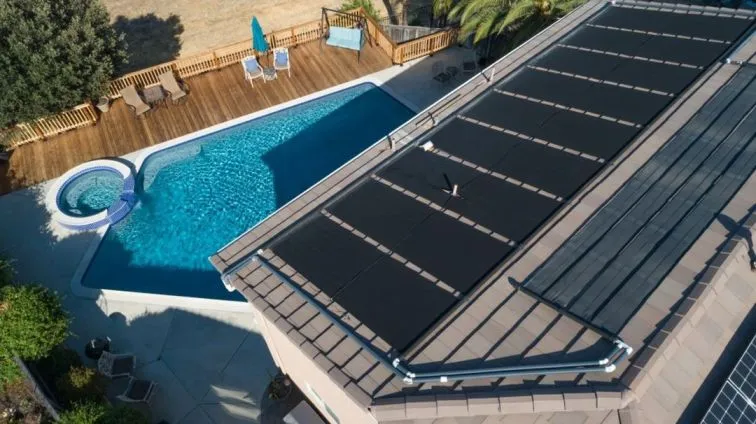
Before diving into specifics, let’s get the basics straight. Solar pool heating uses panels that capture the sun’s heat and transfer it to your pool water. Water circulates through these panels, warms up, and returns to your pool. Simple but brilliant.
Brisbane’s climate makes this technology work like a charm. With 283 sunny days per year on average, you’re sitting on a gold mine of free heating energy.
Extended Swim Season Without the Cost Spike
How this works: Traditional pool heaters burn through money faster than a teenager with your credit card. Gas heaters can add hundreds to your monthly bills. Electric heat pumps aren’t much better. Solar heating changes the game by using free sunshine instead of expensive fossil fuels.
In Brisbane, a good solar heating system can add 4-6 months to your swimming season. Imagine still enjoying your pool in May, June, or even July! And when summer rolls around, you’ll start swimming weeks earlier than your neighbors.
The best part? After initial installation costs, you’re not paying extra to heat your pool. Your regular pump does most of the work circulating water through the solar collectors. The sun handles the rest for free.
Tips for maximizing this benefit: Start running your solar heater a few weeks before you want to swim. Solar heating works gradually, so giving it a head start helps reach comfortable temperatures sooner. Also, use a pool cover at night to prevent heat loss when temperatures drop. This one simple step can retain up to 70% of the heat your solar system generates during the day.
Increases Property Value and Buyer Appeal
When I talk with real estate agents in Brisbane, they all say the same thing: pools with solar heating sell homes faster and for more money.
How this works: Home buyers increasingly look for energy-efficient features. A solar-heated pool checks two big boxes: luxury amenity and sustainable technology. In Brisbane’s property market, this combination can add significant value.
Studies show homes with energy-efficient features sell for about 3-5% more than comparable properties without them. On a $750,000 Brisbane home, that’s $22,500-$37,500 in added value! The math makes sense when you consider that buyers are calculating long-term running costs, not just purchase price.
Smart execution strategies: Keep records of your energy savings to show potential buyers. Take photos of family enjoying the pool during traditionally “off-season” months. These visual proofs make the benefit tangible for buyers who might not understand solar heating technology.
When planning installation, choose quality equipment with transferable warranties. This adds another selling point when it’s time to move.
Low Maintenance and Longer System Lifespan
Unlike gas heaters that need annual servicing or heat pumps with complex parts that break down, solar heating systems are refreshingly simple.
How this works: Solar pool heating systems have minimal moving parts. The collectors themselves have no mechanical components—they’re essentially sophisticated hoses where water flows through and gets heated. The only mechanical element is often just a small valve that diverts water to the solar collectors.
While gas heaters typically last 5-7 years and electric heat pumps about 10 years, solar heating systems routinely last 15-20 years with minimal maintenance. Some systems in Brisbane have been working efficiently for over 25 years!
The regular plumbing maintenance needs are basic: occasional inspection for leaks, cleaning debris from collectors, and checking that water flow remains strong. That’s it.
Making the most of this benefit: Schedule a quick annual check of your system before peak swimming season. Look for signs of weather damage or leaks. Clean collectors by simply hosing them down to remove dust and debris. If you notice weak water flow, check for blockages or consult with your installer.
For Brisbane pool owners, the rubber components in solar heating systems can sometimes degrade faster due to our intense UV rays. Adding a UV-protective spray to rubber connections every couple of years can prevent cracking and extend system life even further.
Boosts Sustainability and Reduces Carbon Footprint
Let’s talk numbers for a second. A typical gas pool heater in Brisbane produces about 1.5 tons of carbon dioxide annually. Electric heaters powered by coal-generated electricity aren’t much better.
How this works: Solar pool heating creates virtually zero emissions during operation. It uses energy that was already hitting your yard anyway. By choosing solar over gas or electric heating, a typical Brisbane pool owner prevents about 1-2 tons of carbon emissions each year.
That might not sound like much until you multiply it by thousands of pools across Brisbane. The collective impact is huge.
Beyond carbon, gas pool heaters contribute to air pollution with nitrogen oxides and other compounds. Solar heating eliminates these pollutants entirely.
Enhancing sustainability further: Pair your solar pool heating with a variable-speed pump that uses less electricity. Add a pool cover to reduce water evaporation and chemical use. Together, these steps create an incredibly efficient pool system that minimizes environmental impact while maximizing enjoyment.
Some Brisbane homeowners take it further by connecting their solar pool heating to small photovoltaic systems, using solar electricity to power the circulation pump. This creates a completely solar-powered heating system with zero operational carbon footprint.
Takes Advantage of Brisbane’s Abundant Sunshine
Brisbane is blessed with sunshine. Lots of it. Why not put it to work?
How this works: Brisbane averages 5.2 hours of peak sunshine daily and ranks among Australia’s sunniest capital cities. This abundant natural resource makes solar pool heating incredibly effective here compared to many other places.
While folks in Melbourne or Hobart struggle with less consistent sunshine, Brisbane pool owners can achieve water temperature increases of 8-10°C above unheated pools during spring and fall months. Even winter swimming becomes possible on sunny days.
The angle of the sun in Brisbane’s subtropical latitude also helps. We get more direct sunshine than southern cities, making solar collectors more efficient year-round.
Location-specific tips: In Brisbane, north-facing roof installations capture maximum sunshine. If your roof doesn’t face north, don’t worry—east and west facing installations still work well, they just heat during different parts of the day.
For maximum efficiency, solar collectors should be installed at an angle roughly equal to Brisbane’s latitude (about 27 degrees). This optimizes winter sun capture when you need heating most.
Some clever Brisbane pool owners have discovered that slightly oversizing their solar collector area can extend swimming season even further into winter. The rule of thumb is that collector area should equal 80% of pool surface area, but increasing to 100% can provide those extra weeks of warm water during cooler months.
Conclusion
Solar pool heating just makes sense in Brisbane. You get months of extra swimming without ongoing costs. Your property value goes up. You barely need to think about maintenance for decades. You help the planet. And you take full advantage of Brisbane’s amazing climate.
What started as a way to avoid huge heating bills turns out to be so much more. It’s probably the smartest upgrade you can make to your pool.
The upfront cost pays for itself through extended use, higher home value, and decades of free heating. Plus, there’s something satisfying about swimming in May while your neighbors’ pools sit empty, knowing the sun is doing all the work for you.
Ready to make the switch? Local Brisbane installers can usually complete the job in 1-2 days with minimal disruption. Your biggest regret will likely be not doing it sooner.
Your pool is waiting. The sun is shining. What are you waiting for?