

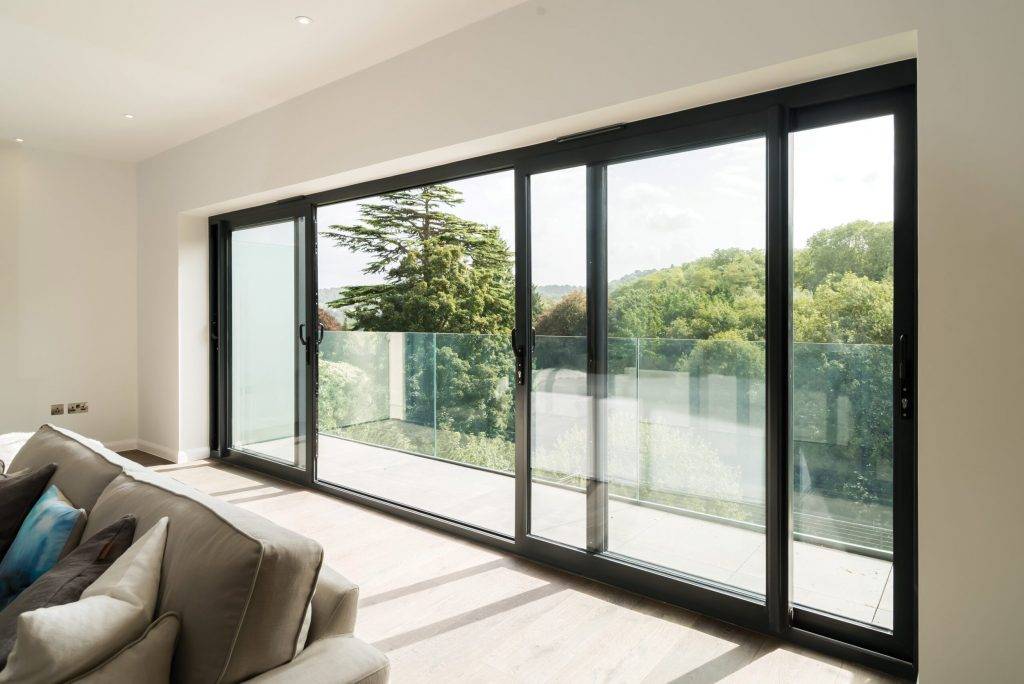
A glass door can make a bathroom layout feel larger. It can let light pour in and show off tile work. But a pretty door that fits wrong will leak, stick, or look odd.
That is why pros focus on getting the fit right.
This short guide walks through five clear steps that installers use to guarantee a perfect glass door fit. Each step is practical, easy to follow, and written so anyone can understand it.
If you want to see this concept in action, take a moment to explore what goes on behind the scenes of a shower door installation
Professionals Guarantee The Perfect Glass Door Fit
Getting a great result is a chain of small choices. Each choice must be done well.
Measure right. Pick the right glass. Cut and finish it carefully. Use solid hardware.
Install and tweak until it works. Miss one link and the whole job looks off. The five items below are the links that pros never skip.
Accurate Measurement and Assessment
Why it matters
A tiny measurement error makes a big problem.
If the gap is off by an eighth of an inch the door might not close. It could rub the frame or sit uneven. Good fit starts with simple numbers.
How pros do it
Start with a clean space. Remove old doors and hardware. Use a level and a quality tape measure.
Measure width at three points. Measure height at three points. Note any slope in the floor or uneven walls. Jot every number down.
Check the wall plumb with a level. Look for tile trim, grab bars, and anything else that might block the door path.
Tips that save headaches
Measure twice and cut once is not a joke here. Write dimensions on the job sheet.
Measure diagonal distances too. If the floor slopes more than a quarter inch over the length, mention it.
Ask the homeowner about towel bars or hooks that could hit the glass. If there is new tile or a curb, measure after tile work is done. Make a mental note of gaps that will need seals or sweeps.
Small precautions
If walls are not perfectly straight, a frameless option might need filler or a custom channel.
For pocket doors and sliders check how much clearance the rollers need. When in doubt, order slightly smaller and trim later rather than cut too big. Pros plan for the tiny surprises that always show up.
Choosing the Right Glass Type and Thickness
Why glass choice matters
Glass is not just clear stuff. Thickness affects strength and how the hinges behave.
Finish affects privacy and water marks. The wrong glass can feel flimsy or heavy. Both are bad.
Common choices explained
Three eighths inch glass is a common middle ground. It gives a clean look and holds up for most doors.
Half inch glass feels luxurious and is great for wide panels. Tempered glass is a must. It breaks safer than regular glass.
For privacy, frosted or obscure glass hides the interior while still letting light through.
How to pick
Match glass thickness to the door style and size. Wider panels usually need thicker glass.
If hardware specifies a particular thickness, follow it. Consider glass treatments for hard water areas.
Low iron glass shows true color and looks clearer. For tubs, make sure the panel can handle being leaned on.
Extras that help
Edge finishes change how the glass meets the hardware. Polished edges slide into hinges easier.
Grind marks will make the piece weaker and show wear. If the bathroom uses oil bronze or brushed nickel hardware choose glass that complements that look. Keep safety film in mind for families that have kids or older adults.
Precision Cutting and Edge Finishing
Why cutting and edging matter
You can have perfect measurements and the right glass, but sloppy cutting ruins everything. A clean edge makes installation tight and safe. A poor edge can chip, crack, or cut a seal.
What pros watch for
Glass shops use water jets, CNC, or diamond wheels to cut. Each method reduces stress in the glass.
The cut should match the job sheet to the millimeter. After cutting, the edge gets polished.
Polished edges seal better with gaskets and fittings. Holes for hinges or hardware must be drilled with exact templates.
How to inspect finished glass
Look for uniform edges and no chips. Hold the panel up to light and check for consistent thickness.
Check drilled holes for smoothness. Test fit any glass channel on a sample piece. If the hole pattern is off a little the hinges will not align and the door will bind.
Small practices that prevent damage
Transport the glass in A frames with padding. Protect corners during movement.
Do any final polishing at the job site if a small chip shows up. Keep the glass flat and never stand it on an edge for long. A little care here saves a lot of reinstall work later.
High Quality Hardware and Fittings
Why hardware is more than decoration
Hardware carries the load. It controls how the door swings, slides, or seals.
Cheap hardware wears fast. It squeaks and loosens. Good hardware keeps alignment and looks better years from now.
Choosing the right pieces
Pick hinges, channels, rollers, and handles that match the glass thickness. Look for stainless steel or solid brass. Avoid hollow parts. Check the weight rating. If the door is heavy choose hinges rated for extra weight.
For sliders pick rollers with sealed bearings. For frameless doors choose hinges with adjustable plates to fine tune alignment.
Installation details that matter
Use threaded fasteners that have a backing plate.
Tighten to the recommended torque and then check after a few days. Apply a small dab of thread locker on screws that like to back out. For framed doors make sure the frame is square on the wall. If a frame sits crooked it will force the glass to sit wrong.
Maintenance friendly choices
Pick hardware that allows for small adjustments. Compression or set screws make later tweaks easy. Choose finishes that resist corrosion and hide fingerprints. If the bathroom is humid, pick rust proof materials. Offer the homeowner simple care tips like wiping the metal parts to prevent buildup.
Expert Installation and Final Adjustment
Why expert installation seals the deal
All the planning and parts mean nothing if the install is rushed. Professional installers take time to level, shim, and seal. They tune the door until it feels right.
Step by step install basics
Dry fit everything first. Place the glass without seals and check clearances. Mark hinge and channel positions. Remove and set anchors into solid backing. Use shims to lift or nudge glass to plumb. Tighten hardware slowly and in stages. Test the swing or slide after each tightening. Adjust the gap so the door closes gently against the seal.
Final adjustments that most folks miss
Check for drip lines that could allow water out. Test with a steady spray from the shower panel head. If water escapes, tweak seals and sweeps. Make sure the door latches without slamming. Check the gap at the top and bottom. Small gaps at the bottom can be fixed with a sweep. Side gaps might need a magnetic strip or a new gasket.
How to hand the job over
Leave a simple care sheet for the homeowner. Show them how to squeegee and how to re-tighten loose screws. Point out where to buy replacement seals. Encourage them to report unusual creaks or leaks in the first week so the installer can come back and tweak things.
Conclusion
A perfect glass door fit is the sum of five careful moves.
Measure well. Choose glass that matches the size and use. Cut and finish with precision. Pick hardware that will hold up. Install with patience and tweak until everything closes and seals. Follow these steps and the door will look right and work right for years.
If a problem shows up later it is almost always from one small thing that was missed early on. Fix that part and everything comes back into line.
A well fitted door makes the bathroom feel finished. It makes daily life easier. It keeps water where it belongs. Keep the checklist in mind when planning a new door.
Talk to the installer about measurements and glass options first. Ask about hardware weight limits and the warranty. A short conversation at the start can save hours later.
If replacing or installing a glass door feels new and a bit confusing, start with one question.
What do you want the finished space to look like and how do you want it to work each day. The answers will guide the rest.